Augmented Reality (AR) sensory marketing in tourism
Project summary
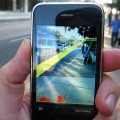
The Creative Augmented Realities Hub (CARH) at Manchester Metropolitan University has a research focus on new and innovative ways to implement Augmented Reality (AR) in the tourism and creative industries. AR refers to an enhanced version of reality created by the use of technology to overlay digital information on an image of something being viewed through a device (Merriam-Webster, 2013). Due to its nature of mixed reality, AR shows high potential benefits in various industries especially in the context of tourism that lives from the exploration of its immediate surrounding (Olsson et al., 2011) and AR is regarded to create significant economic as well as socio-cultural benefits for businesses and stakeholders in the tourism industry. However, research in AR tourism is still limited and there are no previous attempts to investigate the effect of AR sensory marketing in the tourism context. Traditionally, marketing practice has focused on engaging one of five primary senses by targeting sight as the main source of stimulation. The remaining four (hearing, touch, taste and smell) were left to specific niche situations such as radio or taster sessions for food, but are rarely incorporated into widespread marketing initiatives or plans. Continued interest from researchers, and increasing interest from practitioners means that the utilisation and engagement of all five primary senses plays an important role in future marketing strategies especially considering the emergence of technological advances which can cater to multiple senses in ways previously not possible (Agapito et al., 2012). Hulten (2011) explored that multi-sensory marketing supports the value generation process. Value is assumed to emerge when organisations provide their customers with a sensory experience.
Project aims and objectives
To date, the potential of AR as a tool for the tourism industry has only been investigated from a traditional marketing point of view. However, due to the emergence of technology and capabilities as well as the impact on consumers value generation, sensory marketing becomes more important in the future (Agapito et al., 2012; Hulten, 2011). Therefore, this project aims to investigate AR multi-sensory within the tourism context.
Key Themes
Key themes that might frame the successful applicant’s research include:
- Augmented Reality (AR) marketing
- Sensory marketing
- Emotional marketing
- Wearable computing
- Destination marketing
- Cultural heritage marketing
The successful applicant will have freedom to develop their study according to their interests and as advised by the supervisory team. However, the study will be conducted adopting a mixed method approach (both qualitative and quantitative methods).
Specific requirements of the project
In addition to the requirement to complete the programme within three years, the successful candidate will:
- present their work at UK or international conferences
- publish co-authored papers with their supervisors in peer-reviewed journals
- enrich the student experience of undergraduate students in the Department of Food and Tourism Management at the Manchester Metropolitan University through tutoring and/or lecturing
- participate fully in the postgraduate research degrees community at the Hollings Faculty
- maintain frequent and regular contact with the supervisory team.
Student Eligibility
The successful candidate will have a Master’s degree in a related subject area and, for students with English as second language, IELTS 6.5 or above (with a minimum of 6.0 in each element).
These are 2 tuition fee bursaries only.
Supervisory team
These are 2 tuition fee bursaries only. The studentship is supervised by Dr Timothy Jung (Director of Studies) and Dr. Claudia Leue. The successful applicant will enrol initially on the Masters of Philosophy (MPhil) programme and progress, subject to successful transfer viva, at the end of year one to the Doctor of Philosophy (PhD) programme for the remaining two years of study.
For further details about the studentship, please email Dr Timothy Jung t.jung@mmu.ac.uk
See the following webpage for additional informationand application instructions: http://www2.mmu.ac.uk/research/studentships/apparel-fashion-food-and-tourism-management/